SOCIAL ENGINEERING

Hacking people –
not systems.

Social engineering exploits the biggest weakness of any security architecture: people. We simulate realistic attacks via email, phone, and in-person contact – including clear KPIs, reporting, and actions to strengthen your security culture.

92% Success rate in test scenarios
1000+ simulated attacks analyzed
3 Main channels: email, phone, on-site
Social engineering attacker personas
  • SOCIAL ENGINEERING - SPEAR PHISHING - VISHING - PRETEXTING - AWARENESS TESTING -
  • SOCIAL ENGINEERING - SPEAR PHISHING - VISHING - PRETEXTING - AWARENESS TESTING -
ATTACKER PERSONAS

How attackers really approach your employees

Instead of generic mass emails, we use realistic role profiles that match your organization, language, and tool landscape.

Fake IT support

"We are seeing a login issue … please quickly confirm your credentials."

HR & payroll

Emails or calls about payslips, benefits, or vacation balance.

Supplier & partner

Impersonated service providers who "urgently need access" or data.

CEO / management

"Urgent request" from management – classic CEO fraud and payment fraud.

Electrician

"We just need to quickly check the electrical panel – please follow me."

Cleaning staff

"We need to quickly clean the meeting room – may we come in?"

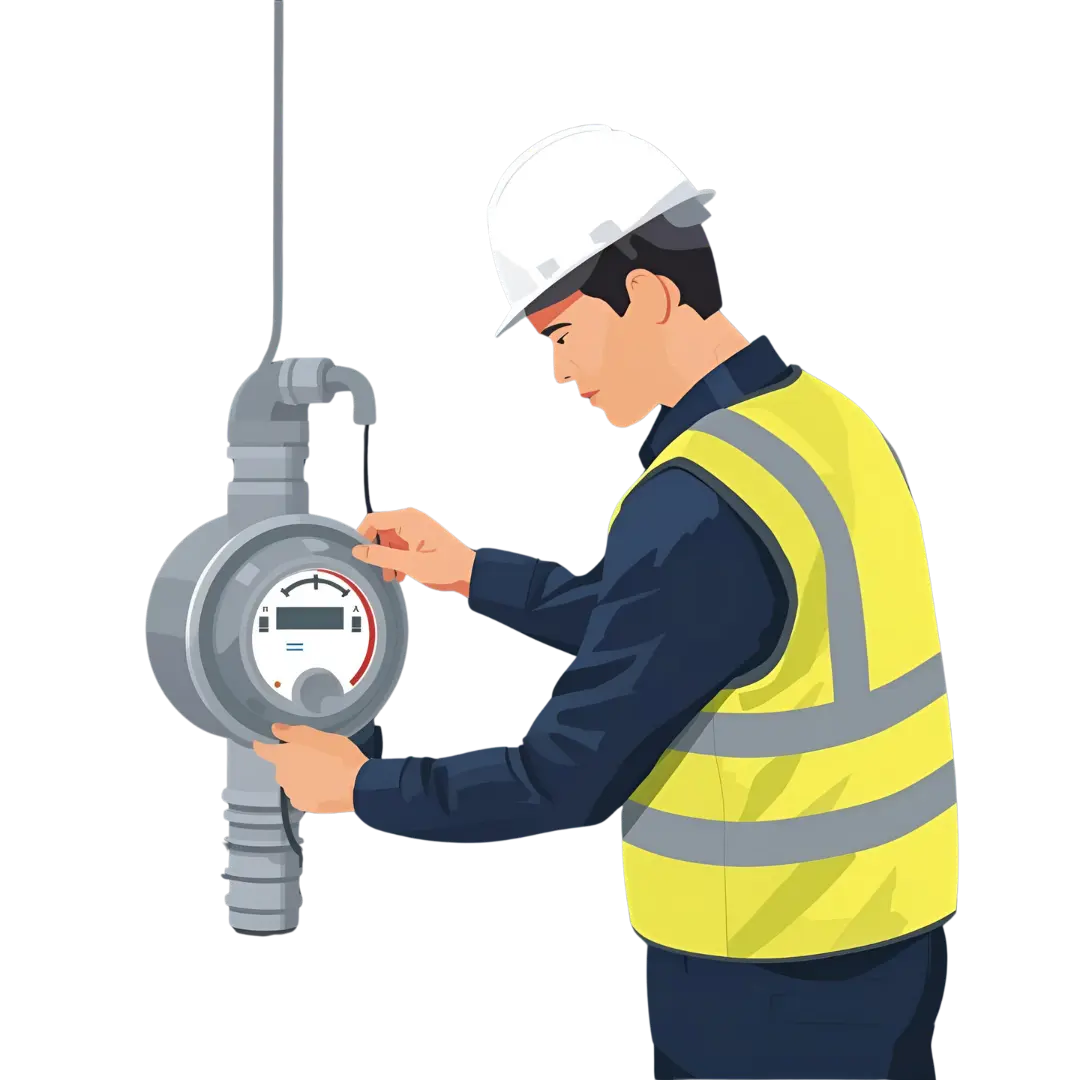
Utility workers

"We are checking water and power – we need access to the basement."

Job applicant

"I just wanted to prepare for my interview – may I go into the office?"

Pizza delivery

"Your order has arrived – should I bring the pizza into the office?"

USE CASES

What we test in a social engineering pentest

The module is tailored to your requirements, processes, and systems – from simple awareness checks to complex attack campaigns.

Phishing simulation

Spear phishing & campaigns

Targeted email campaigns with tracking of opens, clicks, form entries, and reports to security or IT – including analysis at department level.

Vishing campaigns

Vishing & call center scenarios

Simulated calls posing as support, service providers, or partners – we document when information, passwords, or access are disclosed.

USB drops and baiting

USB drops & baiting

Prepared USB sticks or devices are placed and technically tracked – allowing us to measure curiosity, policy compliance, and reporting paths.

Phishing simulation
Subject:
Message:
Why social engineering testing
WHY TEST SOCIAL ENGINEERING?

Because attacks do not start in the SIEM

Most incidents start with an email, a call, or a conversation – long before logs, firewalls, or EDR see anything.

Realistic attacks

Texts, domains, and hooks based on real-world campaigns – not demo spam.

Measurable awareness

Click, entry, reporting, and forwarding rates – anonymized but clearly analyzable.

Focus on culture

No public shaming – we work with you on structures, not against individuals.

Audit-ready evidence

Reports that can be used in audits, management reviews, and for ISO and regulatory requirements.

Request social engineering module
FAQ's

Frequently Asked Questions on Social Engineering & Psychological Resilience

Quite the opposite: A professional social engineering pentest is an investment in your team, not a trap. The goal is never to 'blame' individuals but to uncover systemic gaps in your processes.

We always present results on an aggregated level (e.g., by department or location) without putting names on a 'wall of shame.' In the follow-up, we use those 'aha moments' to constructively strengthen the security culture. If an employee 'falls' during the test, it is the safest environment to learn—because here, there is no real data loss and no extortion by ransomware. We turn affected staff into active participants who know exactly what to look for after the test.

Especially if click rates are high, a methodical pentest is vital. Without objective measurement, your risk remains just a 'gut feeling.' We help you strategically build your 'Human Firewall.'

Often, the problem isn't employee ignorance, but rather stressful processes or unclear reporting channels. A social engineering pentest provides you with reliable KPIs: How high is the click rate? How many actually enter their credentials on a fake site? And most importantly: How many actively report the incident to IT? Only with this data can you decide whether you need technical filters (email security), better awareness training, or simply a clearer process for 'urgent requests.'

Legal compliance is the foundation of our work. Before we start, we define the exact scope together with you, HR, and—if applicable—the works council. We work with strict NDAs and liability clarifications.

Regarding data protection, we ensure that no personal data is stored improperly. While we simulate the theft of passwords (e.g., through fake login masks), we never store them in plain text; we only register the success of the action. Our scenarios are realistic, but we stick to ethical guardrails (e.g., no exploitation of extreme private fears) to preserve the psychological integrity of your team while achieving maximum learning effects.

Our reporting is audit-ready and serves as direct evidence for regulatory requirements such as ISO 27001, NIS2, or SOC2, which mandate regular awareness testing.

You receive a detailed evaluation of the attack vectors (phishing, vishing, USB baiting) including a profound risk assessment. We don't just show you where the fire is; we provide the fire extinguishers: from 'quick wins' like introducing a phishing report button to long-term strategies for your security culture. This report is your most important tool for proving the progress of your security measures to management in black and white.

Absolutely—and that is the gold standard. A full-chain attack scenario is the most realistic: We call an employee (vishing) to gather information, use it for a targeted email (spear phishing), and simultaneously try to gain physical entry to the building (physical testing).

This 360° view uncovers vulnerabilities at the interfaces between people, technology, and facilities. For example, you’ll find out if an employee trusts a supposed IT technician on the phone and then physically opens the door to the server room for them. These combined tests provide the most valuable insights for your holistic resilience.

Security is not a state, but a process. A one-time test is a snapshot, but awareness fades over time. We recommend a hybrid approach: One deep, individual social engineering pentest annually to test complex attack scenarios.

Additionally, smaller, recurring phishing simulations throughout the year are useful to keep awareness high and observe trends. This allows you to measure whether your measures are bearing fruit and if the reporting rate is continuously increasing. The goal is for the identification of social engineering attempts to become routine for your team—like wearing a seatbelt.

Vishing stands for Voice Phishing. In this case, we use the phone to put employees under psychological pressure or gain their trust. Attackers often pose as IT support, external auditors, or even colleagues from executive management (CEO fraud).

The phone is a powerful tool because the threshold to contradict a friendly voice on the other end is much higher than with an anonymous email. We test whether your team reveals sensitive information like passwords, internal responsibilities, or details of the tool landscape over the phone. Since AI-powered voice cloning attacks (deepfakes) are on the rise, awareness of this vector is more critical today than ever before.

Then you have achieved exactly the goal of the pentest: found a critical vulnerability before a real attacker exploited it. A 'weak' culture is simply a sign that previous processes didn't fit the workflows or communication didn't stick.

We don't leave you alone after the test. We support you in changing the error culture positively. Security shouldn't be a hurdle, but an integral part of daily work. With our recommendations, you build an environment where employees feel comfortable reporting suspicious cases immediately instead of hiding them for fear of consequences. That is the strongest protection you can build.


© AccessGranted X GmbH