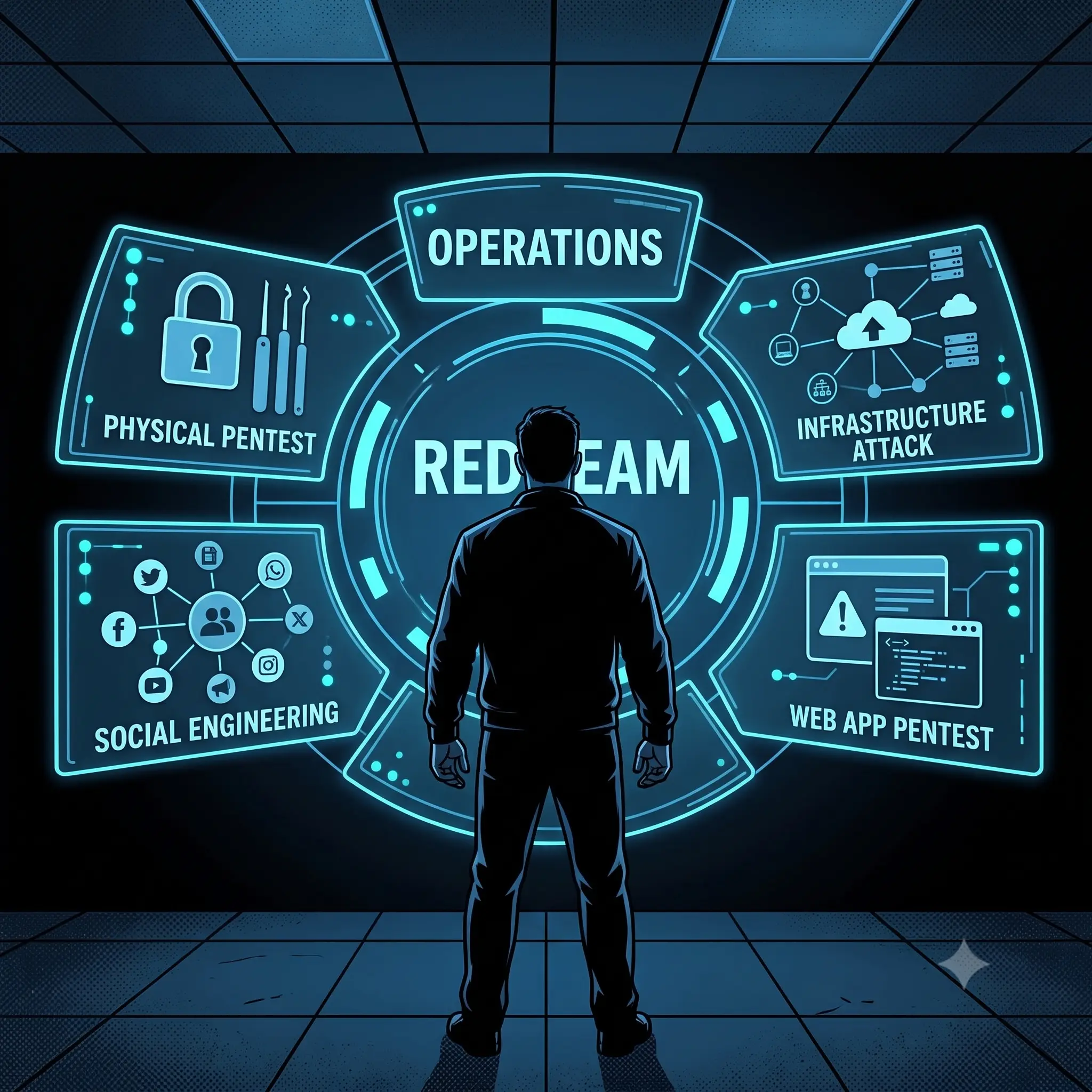
We think like attackers – but act as your partner. With tailored penetration tests, clear recommendations, and a focus on physical and social engineering, we help companies identify real vulnerabilities and address them sustainably.
We assess the physical security of your company locations – from access control to locks and alarm systems. Through simulated break-in attempts, we uncover vulnerabilities before real attackers do.
Technology is only as strong as the people operating it. We test your organization with targeted deception attempts – such as phishing, vishing, or personal contact – and show how resilient your security culture is.
We systematically analyze your internal or external IT infrastructure for vulnerabilities. This includes networks, servers, firewalls, and more – comprehensively, securely, and documented.
Web applications are common targets – we thoroughly test your apps for security flaws like XSS, SQL injection, or access control weaknesses. Our approach follows established standards such as OWASP Top 10.
Often you reveal more about yourself than you think. We use publicly available information to create a realistic attack profile – showing you what potential attackers already know about you.
We analyze your Windows domain structure focusing on permissions, group policies, and possible privilege escalations. The goal is to uncover typical attack paths in AD environments before they can be exploited.
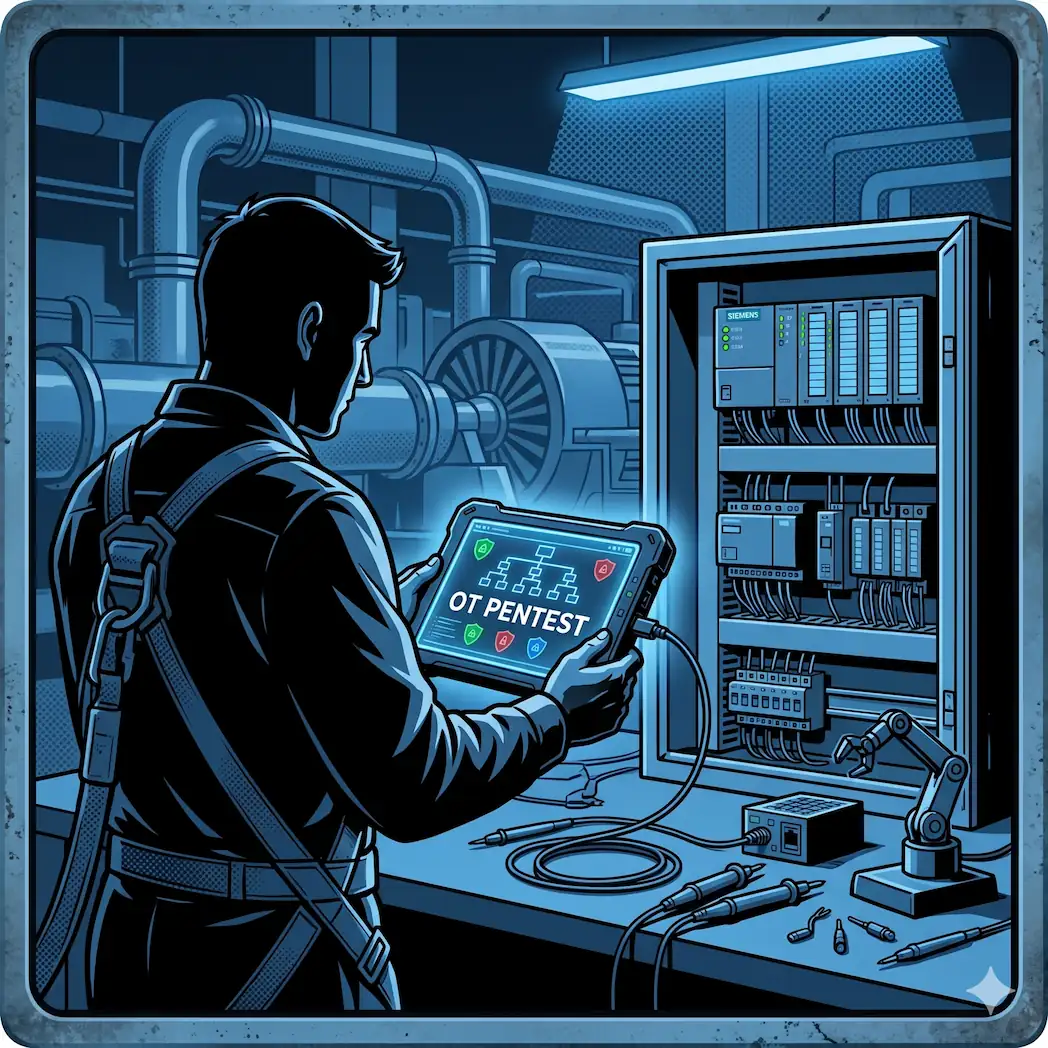
Not finding what you need? No problem – we offer tailored security analyses according to your requirements. Whether specific technologies, hybrid environments, or unusual scenarios: we develop a customized testing concept perfectly suited to your company.
During an initial meeting, scope, goals, conditions, and technical details of the planned pentest are coordinated.
Based on the defined scoping, an individual offer is created. After commissioning, project planning begins.
A kick-off meeting serves to finalize the coordination of contacts, communication channels, schedule, and any technical prerequisites.
The execution takes place according to the agreed scope – considering the defined systems, scenarios, and any agreed limitations.
During the testing phase, regular coordination takes place, e.g., for critical findings, questions, or to clarify technical details together.
After completion of the test, a detailed report is prepared. Optionally, a results presentation takes place in a closing meeting.